Introduction
Art during the Mauryan, Shunga, Kushan, and Gupta periods in ancient India reflects the dynamic cultural and artistic developments of that era. Each period had its distinctive characteristics and contributions to the artistic landscape of the subcontinent.
Mauryan period (322 BCE – 185 BCE)
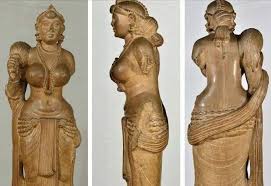
During the Mauryan period (322 BCE – 185 BCE), under the rule of Emperor Ashoka, art primarily focused on the creation of monumental stone sculptures and pillars. The renowned Ashokan pillars, such as the Lion Capital at Sarnath, exemplify the exquisite craftsmanship and the integration of Buddhist symbols, representing Ashoka’s conversion to Buddhism. The period also witnessed the development of polished stone sculptures, depicting various figures, including Yakshas and Yakshis.
Shunga period (185 BCE – 73 BCE)
The Shunga period (185 BCE – 73 BCE) saw a revival of Indian art, particularly in the field of sculpture. The Bharhut Stupa, adorned with intricate stone reliefs depicting Jataka tales and scenes from the Buddha’s life, showcases the skillful craftsmanship and narrative artistry of the period. The Shunga artists also created bronze sculptures, influenced by Hellenistic art forms, which can be seen in the portrayal of Greek-inspired features in Indian deities.
Kushan period (1st – 3rd century CE)
The Kushan period (1st – 3rd century CE) marked a period of cultural exchange and syncretism. The Kushan rulers, originating from Central Asia, brought with them diverse artistic influences. Gandhara art, developed in the region of present-day Pakistan and Afghanistan, represents a unique blend of Greek, Roman, and Indian artistic elements. Gandhara sculptures, characterized by realistic rendering, drapery, and Greco-Roman facial features, depicted Buddha and Bodhisattvas.
Gupta period (4th – 6th century CE)
The Gupta period (4th – 6th century CE) is often referred to as the “Golden Age” of Indian art. It witnessed significant advancements in architecture, sculpture, and painting. Temple architecture flourished during this period, with iconic examples such as the Dashavatara Temple at Deogarh. The Gupta sculptures, known for their serene expressions, idealized beauty, and intricate details, reached new heights. The famous standing Buddha statue from Sarnath and the Vishnu sculptures from Mathura are masterpieces of Gupta art. The Ajanta and Ellora caves, adorned with stunning murals depicting religious and secular themes, showcase the brilliance of Gupta period painting.
Conclusion
In summary, art during the Mauryan, Shunga, Kushan, and Gupta periods of ancient India witnessed significant developments and innovations, reflecting the cultural diversity and artistic prowess of the time. These periods contributed to the rich artistic heritage of the subcontinent and continue to inspire and captivate art enthusiasts and scholars to this day.